Maracuja Oil Market size (2025-2030)
The Global Maracuja Oil Market was valued at USD 2.1 billion in 2024 and is projected to grow at a compound annual growth rate (CAGR) of 9.5% from 2025 to 2030. The market is expected to reach approximately USD 3.31 billion by 2030.
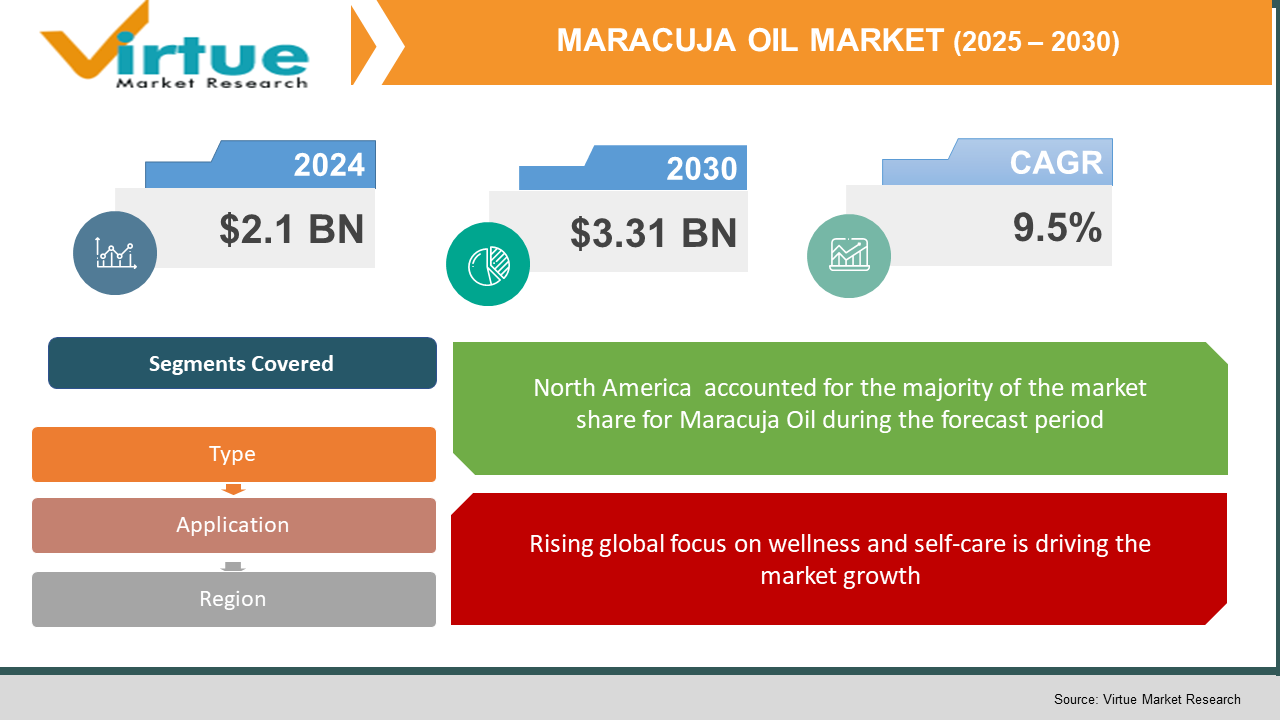
Maracuja oil is commonly used in skincare, haircare, wellness products, and increasingly, in specialty food and beverage formulations. With increased awareness of botanical ingredients and a growing preference for clean-label personal care, maracuja oil is emerging as a preferred oil in premium and mid-range segments. In addition, the rising popularity of holistic wellness has contributed to its growth in spa therapies, massage oils, and aromatherapy. The market is supported by both large-scale cosmetic manufacturers and niche organic producers. Its versatility, natural origin, and perceived effectiveness make maracuja oil a valuable ingredient across industries. As more consumers adopt wellness-driven lifestyles and sustainable product choices, the market is set for continued expansion through product diversification and wider distribution.
Key market insights:
Maracuja oil demand is projected to grow by over 70% in volume from 2025 to 2030, driven by the shift toward natural beauty and wellness products.
Organic maracuja oil commands a premium and accounts for nearly 60% of total market value, reflecting a growing preference for chemical-free ingredients.
Skincare is the most dominant application, accounting for approximately 45% of maracuja oil consumption globally due to its lightweight, non-greasy texture.
Latin America, as a key sourcing region, is witnessing growth in both domestic use and exports due to government support for agri-based industries.

Global Maracuja Oil Market Drivers
Growing interest in natural and functional ingredients is driving the market growth
The global shift toward natural and plant-based products has significantly boosted the demand for oils like maracuja. Consumers today are increasingly aware of what goes into the products they use on their skin, hair, and body. This is especially true in personal care, where maracuja oil has found a strong foothold because of its naturally rich content of omega fatty acids, antioxidants, and vitamins. These properties make it ideal for addressing concerns such as dryness, inflammation, and premature aging. The appeal of this oil also lies in its lightweight texture and fast absorption, which suits a wide range of skin types including oily and sensitive skin. Additionally, as consumers seek multi-use, functional ingredients, maracuja oil stands out as it can be used in facial care, hair conditioning, body massages, and even as a base for essential oil blends. Maracuja oil fits this shift perfectly and continues to gain popularity as consumers move away from synthetic chemicals. Furthermore, the transparency of production methods, such as cold pressing, adds to its appeal in a market increasingly driven by ethical and sustainable choices.
Rising global focus on wellness and self-care is driving the market growth
The increasing emphasis on wellness has changed consumer purchasing behavior, making space for oils like maracuja that support relaxation, skin nourishment, and holistic beauty. As more people prioritize emotional and physical self-care, the demand for naturally derived oils that support at-home wellness practices is rising. Maracuja oil plays a key role in this transformation by serving not only cosmetic purposes but also contributing to therapeutic routines. Consumers incorporate it into night rituals, facial massages, and spa treatments, often blending it with essential oils to enhance relaxation or stress relief. Its calming scent and moisturizing properties provide a sensorial experience that resonates well with those seeking escape from the pace of daily life. Additionally, its presence in DIY skincare kits and aromatherapy blends is growing rapidly as people become more hands-on with their routines. With rising mental health awareness, personal care is becoming emotional care. Products that soothe the senses and deliver gentle, visible results are in high demand, and maracuja oil has become a trusted component in this new wave of self-care-driven consumption.
Expanding applications in niche food and beverage products is driving the market growth
While personal care continues to be the largest application area for maracuja oil, its entry into the food and beverage segment presents an exciting growth opportunity. Cold-pressed maracuja oil is gaining popularity as a specialty ingredient in gourmet cooking, especially for salad dressings, smoothies, and health-conscious snacks. Its subtle fruity flavor and light consistency make it an excellent culinary oil that adds both nutrition and a unique taste profile. Additionally, its rich content of essential fatty acids appeals to those looking to supplement their diet with plant-based nutrients. The oil is increasingly included in functional foods, natural supplements, and wellness beverages aimed at improving skin health, inflammation, and digestive wellness. Brands in the natural food sector are experimenting with limited-edition or region-specific maracuja oil-infused products that appeal to health-focused millennials and food explorers. As consumer interest in exotic, nutrient-rich superfoods expands, maracuja oil's culinary potential is beginning to complement its dominance in the cosmetic space. This dual-application versatility is a major driver of its overall market appeal and creates cross-sector growth momentum.
Global Maracuja Oil Market Challenges and Restraints
Limited awareness in lower-income and rural regions is restricting the market growth
These regions often have less access to specialty products and fewer retail touchpoints offering niche natural oils. Additionally, consumers in these markets tend to be more price-sensitive, and maracuja oil, particularly the organic or cold-pressed variants, is typically priced higher than more common oils such as coconut or sunflower. As a result, maracuja oil is often perceived as a luxury product. Without strong marketing, education, or sampling efforts, its benefits remain unknown or misunderstood among broader population groups. This limits market penetration and hinders the oil’s ability to compete with cheaper and more familiar alternatives. Bridging this knowledge gap and offering smaller, more affordable packaging could help overcome this challenge, but until then, limited awareness continues to restrain full market potential.
Dependence on seasonal harvest and regional climate is restricting the market growth
Maracuja oil production is directly tied to the harvesting of passion fruit seeds, which is dependent on specific climatic conditions and harvest cycles. This makes the supply chain vulnerable to regional weather changes, agricultural disruptions, and pests. Many producers rely on smallholder farms in tropical regions where climate unpredictability, especially due to changing global weather patterns, can negatively impact crop yields. A poor harvest season can lead to increased raw material costs, disrupted production schedules, and supply shortages, all of which create pricing and availability instability. Additionally, as demand increases, ensuring that supply keeps pace without compromising sustainability is a delicate balance. Over-harvesting or rapid expansion without proper cultivation practices may threaten the quality and environmental sustainability of maracuja farming. The industry's dependence on regional farming makes building resilient and diversified supply chains a major challenge that could affect long-term market reliability and profitability.
Market opportunities
The maracuja oil market offers ample opportunities for expansion through strategic innovation, regional adaptation, and broader application development. One of the most significant opportunities lies in the development of specialized product lines that emphasize maracuja oil’s unique properties. Brands can develop serums, conditioners, or wellness products that focus on a single benefit—such as anti-aging, scalp hydration, or aromatherapy—using maracuja oil as the hero ingredient. Positioning the oil as a multi-functional natural remedy allows it to appeal to both minimalist users and skincare enthusiasts. Another key opportunity is in regional customization. In high-growth markets like Southeast Asia and Africa, small-size packaging at lower price points can attract price-sensitive yet quality-conscious consumers. Partnering with local influencers or wellness coaches can help boost credibility and educate potential users on the oil's benefits. The food sector also provides long-term opportunity, particularly through gourmet brands, boutique health stores, and organic marketplaces that can feature maracuja oil-infused foods, beverages, and supplements. Moreover, B2B opportunities exist in supplying maracuja oil to manufacturers of organic soaps, spa blends, and nutraceuticals. Investing in fair-trade partnerships, eco-friendly extraction methods, and traceable sourcing can further appeal to ethical consumers and build brand loyalty. E-commerce expansion, particularly with direct-to-consumer platforms, subscription services, and storytelling content, also opens new frontiers. As the global focus continues to shift toward sustainability, self-care, and botanical wellness, the maracuja oil market has the potential to evolve beyond a niche and become a household staple.
MARACUJA OIL MARKET REPORT COVERAGE:
|
REPORT METRIC
|
DETAILS
|
|
Market Size Available
|
2024 - 2030
|
|
Base Year
|
2024
|
|
Forecast Period
|
2025 - 2030
|
|
CAGR
|
9.5%
|
|
Segments Covered
|
By Type, Application, and Region
|
|
Various Analyses Covered
|
Global, Regional & Country Level Analysis, Segment-Level Analysis, DROC, PESTLE Analysis, Porter’s Five Forces Analysis, Competitive Landscape, Analyst Overview on Investment Opportunities
|
|
Regional Scope
|
North America, Europe, APAC, Latin America, Middle East & Africa
|
|
Key Companies Profiled
|
Maracuja Botanicals, VerdeCare Naturals, Botanika Essence, and others.
|
Maracuja Oil Market segmentation
Maracuja Oil Market segmentation By Type:
• Organic maracuja oil
• Conventional maracuja oil
• Cold-pressed maracuja oil
• Refined maracuja oil
• Blended maracuja oil
Cold-pressed maracuja oil is the most dominant product segment due to its high nutritional retention, purity, and appeal to the growing clean beauty audience. Consumers prefer cold-pressed oils because they retain their natural aroma, active compounds, and skin-benefiting nutrients without exposure to high heat or chemical solvents. This segment is particularly favored by premium skincare and haircare brands who wish to highlight the unprocessed and raw nature of their formulations. Cold-pressed maracuja oil is often positioned as the purest and most effective form, allowing for higher retail pricing and stronger brand differentiation.
Maracuja Oil Market segmentation By Application:
• Skincare
• Haircare
• Aromatherapy and wellness
• Food and beverages
• Pharmaceutical and nutraceutical
• Others (pet care, massage, soap making)
Skincare is the most dominant application segment, contributing significantly to overall market share due to the oil’s rich profile and compatibility with various formulations. It is used in facial serums, night oils, moisturizers, eye creams, and anti-aging products. The oil’s ability to provide hydration without clogging pores has made it a favorite in the facial care market. With continued growth in natural and organic skincare trends, maracuja oil’s role in this segment remains strong and expanding.
Maracuja Oil Market Regional segmentation

• North America
• Europe
• Asia-Pacific
• South America
• Middle East and Africa
Among all the regions, North America stands out as the most dominant in the global maracuja oil market. The region’s consumers are highly receptive to natural and organic personal care ingredients, and the clean beauty movement has accelerated this acceptance. There is also strong market maturity in terms of e-commerce infrastructure and brand availability, allowing consumers to explore niche oils like maracuja. Premium and luxury brands in the US and Canada frequently incorporate maracuja oil into skincare and wellness lines, further raising awareness and adoption. Retailers, both physical and digital, promote these products through influencer marketing and educational content, helping build trust in the ingredient. North America’s high per capita spending on beauty and wellness products gives the market a steady foundation, while health-conscious consumers continuously seek botanical and functional solutions. Additionally, many North American consumers value cruelty-free, vegan, and sustainably sourced products, all of which align with maracuja oil’s appeal. The region also benefits from established supply partnerships with Latin American producers, ensuring quality sourcing and consistent supply. With a mix of consumer awareness, purchasing power, and retail infrastructure, North America has cemented itself as the market leader in maracuja oil consumption.
COVID-19 Impact Analysis on the Maracuja Oil Market
The COVID-19 pandemic had a mixed impact on the maracuja oil market. Initially, like many sectors, the supply chain experienced disruptions due to transportation bottlenecks, labor shortages, and restricted farming operations in passion fruit-producing regions. These disruptions led to a temporary dip in product availability and pricing instability, particularly for smaller or newer brands that relied on just-in-time inventory. However, on the demand side, the story was quite different. With more people staying indoors and prioritizing personal care, the pandemic created a renewed focus on wellness and skin health. Consumers invested more time and money into at-home self-care routines, and maracuja oil, known for its gentle yet effective properties, found favor as a multi-purpose beauty and wellness ingredient. E-commerce platforms experienced a notable spike in traffic and sales, particularly for essential oils, skincare serums, and DIY beauty kits that featured maracuja oil. Brands that had a strong digital presence or quickly adapted to online channels performed well during this period. The pandemic also made consumers more conscious of ingredients, prompting them to choose natural and safe alternatives. As maracuja oil fits this profile, it enjoyed heightened visibility. Moreover, as awareness around mental health grew, consumers turned to aromatherapy and calming routines where maracuja oil became part of massage blends or sleep-time rituals. Though challenges existed on the production side, the pandemic accelerated the long-term shift toward natural wellness, creating a stronger base of loyal users for maracuja oil post-COVID. The market is now building on this momentum with expanded product offerings and a deeper connection to wellness culture.
Latest trends/Developments
One major trend is product hybridization, where maracuja oil is blended with complementary ingredients such as squalene, jojoba oil, or retinol to create innovative, high-performance skincare solutions. These advanced formulations are marketed as both effective and natural, attracting both traditional and clean beauty consumers. Another trend is the growth of sustainability-focused branding. Consumers want to know the story behind the product, so companies are emphasizing transparent sourcing, fair-trade practices, and eco-friendly packaging. On the retail side, personalized skincare is expanding, with maracuja oil being featured in customized product kits tailored to individual skin needs. Technology is also playing a role; AI-driven product recommendations and skin analysis tools help consumers find maracuja-based products that best suit them. Additionally, smaller D2C brands are using social media platforms, especially TikTok and Instagram, to build loyal communities around maracuja oil by showcasing its benefits in short, engaging videos. In terms of application, the use of maracuja oil in multi-sensory rituals is increasing—everything from facial steaming to meditation oils includes this ingredient. Finally, refillable packaging, minimalist label designs, and limited-edition seasonal collections are being adopted to drive exclusivity and reduce environmental impact. Together, these developments reflect a market that is becoming more integrated, lifestyle-driven, and ethically conscious.
Key Players:
- Maracuja Botanicals
- VerdeCare Naturals
- Botanika Essence
- PureSeed Organics
- Tropical Elixirs
- Nativa Pure
- EcoVita Oils
- AuraHarvest
- Skinthentic Organics
- VitaVerde Oils




