Global Crop Protection Chemicals Market Size ( 2026 to 2030)
As per our research report, the global Crop Protection Chemicals Market is growing at a compound annual growth rate (CAGR) of 5.2% during the forecast period of 2026-2030.
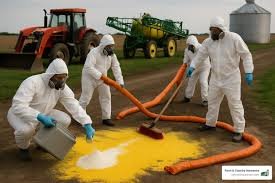
Crop protection chemicals play a critical role in modern agriculture by safeguarding crops against weeds, insects, fungi, nematodes, and other biological threats that significantly reduce yield and quality. As global food demand rises and arable land availability shrinks, farmers are increasingly dependent on crop protection solutions to maximize productivity, ensure food security, and protect farm incomes. The market is witnessing steady expansion due to the intensification of agriculture, growing pressure to increase crop yields, and the need to protect high-value crops against evolving pest resistance. Additionally, the integration of sustainable farming practices and the emergence of biological crop protection solutions are reshaping the competitive landscape of the industry.
The Crop Protection Chemicals Market is expected to grow significantly in the coming years due to a combination of economic, demographic, and technological factors. One of the primary growth drivers is global population growth, which continues to push demand for higher agricultural output. Farmers are under pressure to produce more food from limited land resources, making crop protection chemicals essential for preventing yield losses caused by pests, weeds, and diseases. Another major driver is the rising adoption of high-yield crop varieties, which are often more susceptible to pest infestations and require advanced protection strategies. The expansion of commercial farming, especially in developing regions, has further increased reliance on chemical crop protection solutions.
The COVID-19 pandemic had a noticeable impact on the Crop Protection Chemicals Market, particularly during the early stages of the outbreak. Lockdowns, transportation restrictions, and labor shortages disrupted global supply chains, affecting the availability of raw materials and finished agrochemical products. Manufacturing slowdowns and port congestion caused temporary shortages in certain regions, while farmers faced challenges accessing inputs during peak planting seasons. These disruptions led to short-term fluctuations in demand and pricing. However, the pandemic also highlighted the strategic importance of agriculture as an essential sector. Governments across the world prioritized food security, which helped stabilize agricultural input demand. As farming activities continued even during lockdowns, the market recovered faster than many other industrial sectors. Post-pandemic, the Crop Protection Chemicals Market witnessed renewed growth driven by increased investments in agriculture, heightened awareness of food supply resilience, and accelerated adoption of digital and precision farming tools. The crisis also strengthened the focus on integrated pest management and sustainable solutions, particularly bio-based products.
Technological advancements in formulation chemistry, precision application, and integrated pest management (IPM) have also improved the efficiency and safety of crop protection chemicals. These innovations allow for targeted application, reduced wastage, and lower environmental impact, encouraging broader adoption. Additionally, climate change has altered pest lifecycles and expanded the geographical spread of insects and plant diseases, making crop protection more critical than ever. Warmer temperatures and erratic rainfall patterns have increased the frequency and intensity of infestations, further driving market demand.
Despite steady growth, the Crop Protection Chemicals Market faces several structural and regulatory challenges. One of the key restraints is the increasingly stringent regulatory environment, particularly in North America and Europe. Governments are tightening restrictions on chemical residues, environmental toxicity, and human health risks, leading to product bans and lengthy approval processes.
KEY MARKET INSIGHTS
- Based on market segmentation by type, Herbicides hold the highest share of the global Crop Protection Chemicals Market. This dominance is primarily due to the universal challenge of weed management across all crop types. Weeds compete directly with crops for nutrients, water, and sunlight, significantly reducing yields if left uncontrolled. With rising labor costs and declining availability of farm labor, chemical weed control remains the most economically viable solution for large-scale agriculture. Herbicides are extensively used across cereals, oilseeds, pulses, and commercial crops, making them the revenue backbone of the market. However, Bio-pesticides represent the fastest-growing segment during the forecast period. Growth in this segment is driven by regulatory support for sustainable farming, increasing consumer demand for residue-free food, and the urgent need for new solutions to combat resistance. Advances in microbial and botanical formulations are rapidly improving the efficacy of bio-pesticides, accelerating their adoption.
- By distribution channel, Wholesalers & Distributors dominate the Crop Protection Chemicals Market. The agricultural input supply chain is deeply rooted in traditional networks, where large distributors supply local dealers who provide credit, technical advice, and after-sales support to farmers. This physical infrastructure is especially important for handling hazardous chemicals and ensuring regulatory compliance. At the same time, Online/E-commerce is the fastest-growing distribution channel. In 2025, digital marketplaces began transforming how farmers procure agricultural inputs. Online platforms offer price transparency, doorstep delivery, and direct access to manufacturers. The increasing digital literacy of younger farmers and improved rural internet connectivity are driving this rapid shift toward online procurement.
- Based on crop type, Cereals & Grains (including wheat, rice, and corn) account for the largest share of the market. These staple crops are cultivated on vast acreages worldwide, and even small yield losses translate into significant economic impact. As a result, consistent and large-scale use of crop protection chemicals is essential to ensure food security and farm profitability. Meanwhile, Fruits & Vegetables are the fastest-growing crop segment. Global dietary trends are shifting toward nutrition-rich horticultural produce, and the high value of fruits and vegetables justifies the use of premium, specialized crop protection products. This segment also sees higher adoption of bio-pesticides due to strict residue regulations on fresh produce.
- Based on source, Synthetic Chemicals remain the most dominant category in the Crop Protection Chemicals Market. Despite environmental concerns, synthetic products offer unmatched potency, rapid action, and cost efficiency. For severe infestations and broad-acre farming, synthetics remain the most reliable solution for immediate pest control, ensuring their continued dominance. In contrast, Natural/Biologicals are the fastest-growing source segment. Driven by the global“Green Agriculture” movement, biological products are increasingly used as part of Integrated Pest Management programs. Farmers are adopting these solutions to reduce chemical residues before harvest and meet stringent export standards imposed by developed markets.
- Based on region, Asia-Pacific dominates the global Crop Protection Chemicals Market in 2025, holding approximately 30% of the total market share. This dominance is driven by the massive agricultural economies of China and India. China is not only a major consumer but also the world’s largest producer and exporter of agrochemical active ingredients. The region’s need to feed a rapidly growing population ensures sustained demand for crop protection solutions. Government support for agricultural productivity and expanding commercial farming further strengthens market growth. South America, particularly Brazil, is one of the fastest-growing regions in the market. Brazil’s large-scale cultivation of soybeans and corn has made it a global agricultural powerhouse. To maintain export competitiveness, farmers are aggressively adopting advanced crop protection technologies, driving strong value growth. North America remains a technologically advanced and highly regulated market, with strong demand for premium and specialty products. Europe, while facing strict regulatory constraints, continues to invest in sustainable and bio-based crop protection solutions.
- Companies playing a leading role in the Global Crop Protection Chemicals Market profiled in this report are Bayer CropScience AG, Syngenta Group, BASF SE, Corteva Agriscience, FMC Corporation, UPL Limited, ADAMA Ltd., Sumitomo Chemical Co., Ltd., Nufarm Limited, and Kumiai Chemical Industry Co., Ltd.
By Type
- Herbicides
- Insecticides
- Fungicides
- Bio-pesticides
- Nematicides
By Distribution Channel
- Wholesalers & Distributors
- Online / E-commerce
By Crop Type
- Cereals & Grains
- Fruits & Vegetables
- Oilseeds & Pulses
- Commercial Crops
By Source
- Synthetic Chemicals
- Natural / Biologicals
By Region
- North America
- Asia-Pacific
- Europe
- South America
- Middle East & Africa
Request Sample of this report @ https://virtuemarketresearch.com/report/crop-protection-chemicals-market/request-sample
RECENT POSTS


Security Awareness & Phishing Simulation Market
28 Apr 2026
Network Detection & Response (NDR) Market
28 Apr 2026
Liquid Cooling for High-Density Market
28 Apr 2026